Subasta Bidspirit | Greek plate
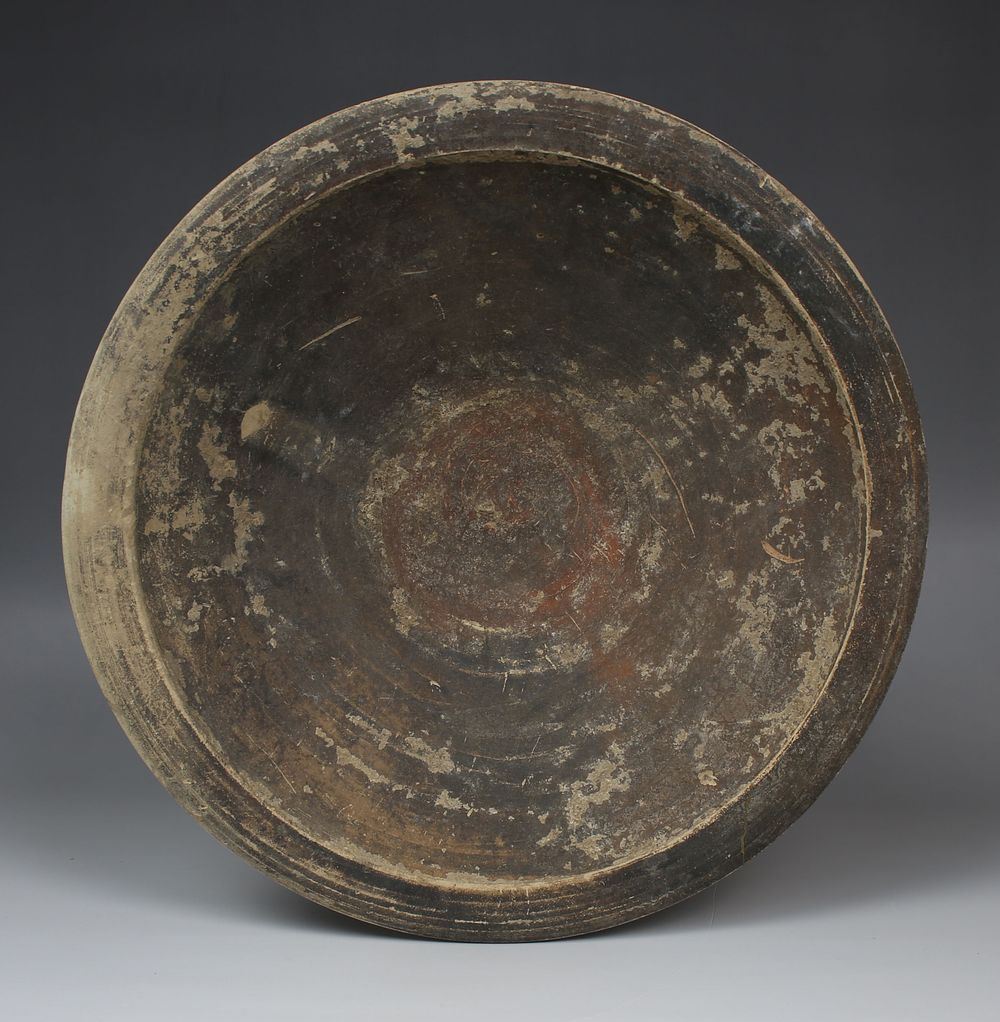
Greek plate - ITEM: Plate MATERIAL: Pottery CULTURE: Greek PERIOD: 4th Century B.C DIMENSIONS: 70 mm x 252 mm diameter CONDITION: Good condition PROVENANCE: Ex French private collection, acquired between 1960 - 1980 Comes with Certificate of Authenticity and Export Licence. If you are from outside the European Union, we will have to apply for the export licence again for your country, this takes 4 to 6 weeks and has a cost of 5% of the amount of the sale, this amount will be added to the final invoice. Greek plates were an essential part of ancient Greek pottery, used for both practical dining purposes and ceremonial offerings. These plates, typically made of terracotta, were produced in various shapes and sizes, often with shallow profiles and slightly raised rims. They were commonly decorated using black-figure and red-figure techniques, particularly during the Archaic and Classical periods (6th–4th centuries BCE). Some plates were left undecorated for everyday use, while others featured intricate painted designs depicting mythological scenes, floral motifs, or geometric patterns. These decorated plates were often used in banquets (symposia) and religious rituals, reflecting their cultural significance beyond mere functionality. The designs on Greek plates varied depending on the region and artistic period. In black-figure pottery, which flourished in the 6th century BCE, figures and scenes were painted in black silhouette against the natural reddish clay background, with details incised into the surface. Later, in the 5th century BCE, the red-figure technique reversed this approach, allowing for more detailed and expressive depictions of human figures, gods, and everyday life. Some plates also featured simpler motifs, such as meanders, palmettes, and ivy patterns, which added aesthetic appeal without overwhelming the overall design. Certain workshops, such as those in Athens and Corinth, were renowned for their high-quality ceramic production, and their plates were widely traded across the Mediterranean. Beyond their decorative and functional roles, Greek plates also held religious and funerary significance. They were sometimes placed in graves as offerings to the deceased or dedicated in sanctuaries as votive gifts to the gods. In some cases, plates were used in ritual feasting or libations, reinforcing their role in religious and communal activities.