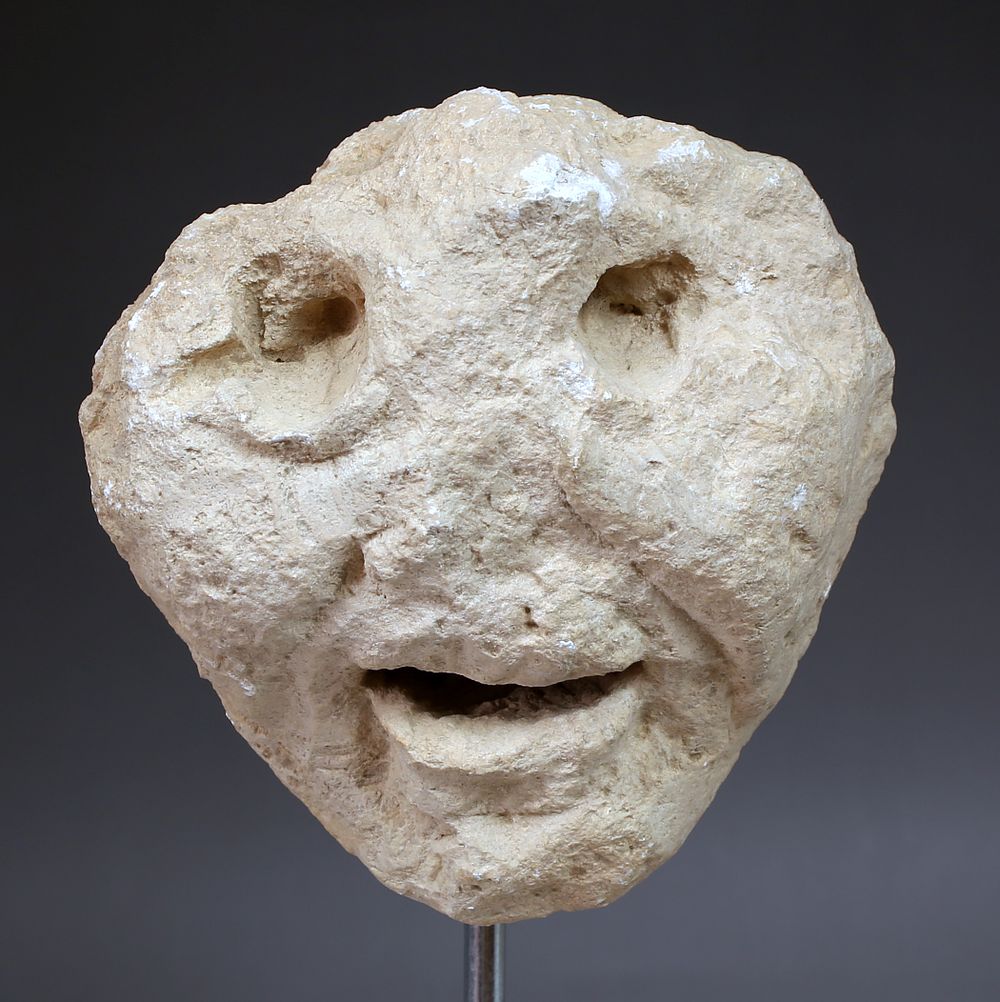
Subasta Bidspirit | Roman head, fragment
Roman head, fragment - ITEM: Head, fragment MATERIAL: Stone CULTURE: Roman PERIOD: 2nd - 3rd Century A.D DIMENSIONS: 130 mm x 128 mm x 86 mm (without stand) CONDITION: Good condition. Includes stand PROVENANCE: Ex English private collection, acquired late 20th Century Comes with Certificate of Authenticity and Export Licence. If you are from outside the European Union, we will have to apply for the export licence again for your country, this takes 3 to 5 weeks and has a cost of 5% of the hammer price, this amount will be added to the final invoice. Roman heads are significant artifacts that exemplify the artistry and cultural values of the Roman Empire. These sculpted heads, often part of larger statues or busts, were created to depict deities, emperors, important public figures, and sometimes ordinary citizens. The Romans were heavily influenced by Greek art but developed their own distinct style that emphasized realism and individualism. This focus on realistic representation, known as ”verism, ” is particularly evident in portraiture, where artists meticulously carved features to capture the unique likeness and personality of the subject. The heads of emperors and other political leaders were especially prominent in Roman sculpture, serving both decorative and propagandistic purposes. Emperors were frequently depicted with idealized features that conveyed their power, divine favor, and authority. These portraits were often disseminated throughout the empire in public spaces such as forums, temples, and basilicas to reinforce the presence and legitimacy of the ruling class. Notable examples include the busts of Julius Caesar, Augustus, and Hadrian, each characterized by distinct facial features that have allowed historians to identify and study them in detail. The realism of these sculptures provides invaluable insights into the physical appearances and personalities of these historical figures. Beyond political leaders, Roman stone and marble heads also captured a wide range of individuals, including philosophers, military leaders, and wealthy patrons. These portraits often highlighted the individual's virtues, achievements, and social status. For example, the detailed carving of wrinkles, scars, and other signs of aging in the portraits of older men was intended to convey wisdom and experience. In contrast, the heads of women and younger individuals might emphasize ideal beauty and youth. The artistic techniques used, such as drilling to achieve deep-set eyes and detailed hair, demonstrate the high level of skill possessed by Roman sculptors.